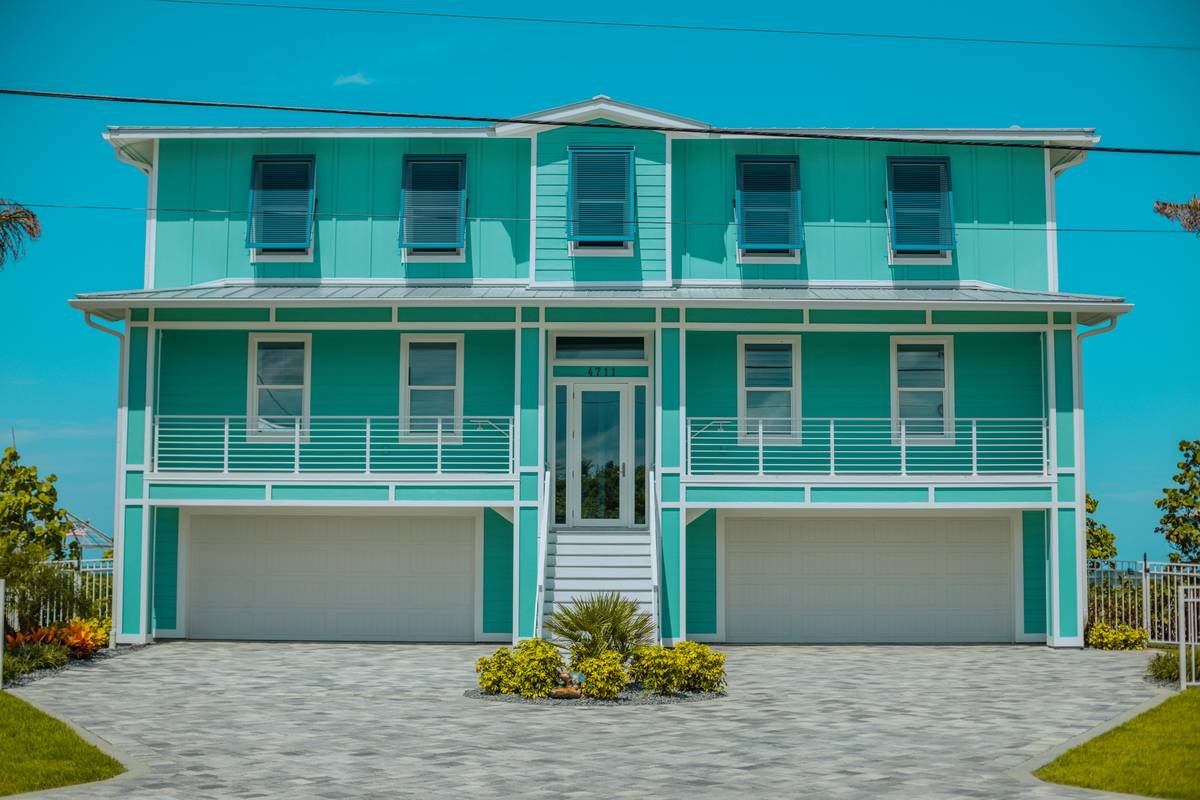
Ever poured your savings into a Cape Coral condo—only to spend every weekend scrubbing sheets, fielding 2 a.m. guest texts about the Wi-Fi, and watching revenue leak like a dock piling in a hurricane? Yeah. We’ve been there too.
As a former Airbnb host turned full-time vacation rental operator in Southwest Florida, I once lost $4,200 in one month because I priced my waterfront unit like it was July… in January. Ouch.
If you own—or dream of owning—a short-term rental in Cape Coral, this post is your lifeline. You’ll learn exactly how vacation rental management Cape Coral works, why DIY often backfires, and which local strategies actually drive 90%+ occupancy year-round (yes, even during summer’s scorching 95°F sauna days). We’ll also expose one “expert” tip that’ll guarantee empty calendars—and share a real case study where smart management netted an owner $68K in pure profit last year.
Table of Contents
- Why Cape Coral Is a Goldmine (If You Manage It Right)
- Step-by-Step: Launching or Outsourcing Your Vacation Rental Management
- 7 Best Practices for High-Converting Cape Coral Rentals
- Real Results: How One Canal-Front Home Earned $68K Net Profit
- FAQs About Vacation Rental Management Cape Coral
Key Takeaways
- Cape Coral’s canal-front properties average 78% annual occupancy—well above Florida’s STR statewide average of 63% (AirDNA, 2024).
- DIY hosts lose 12–20 hours/week on maintenance, guest comms, and pricing—time better spent scaling or relaxing.
- Local knowledge matters: Cape Coral has unique HOA rules, noise ordinances, and seasonal demand spikes tied to tarpon season and spring break.
- Full-service property managers typically charge 20–30%, but high-performers boost net income by 25–40% through dynamic pricing and premium guest experiences.
Why Cape Coral Is a Goldmine (If You Manage It Right)
Cape Coral isn’t just another Florida beach town. With over 400 miles of canals—the most in the world—it’s a boater’s paradise attracting retirees, families, and snowbirds seeking quiet water access without Miami’s chaos. In 2023, the city welcomed over 1.2 million tourists, and STR revenue hit $187 million, up 14% from 2022 (City of Cape Coral Tourism Report).
But here’s the catch: mismanage your rental, and you’ll drown in complaints, violations, or worst—empty weeks. Cape Coral enforces strict short-term rental regulations: only properties zoned “R-1” or higher can operate as STRs, and all must register with the city ($150/year). Violate these? Fines start at $500 per day. Yikes.
My first rental? A cute canal cottage off Diplomat Parkway. I priced it static at $199/night, ignored cleaning between back-to-back bookings, and got roasted on Google for “sticky floors.” After switching to a hyperlocal manager who knew when to bump rates during Tarpon Tournament week (+$125/night!) and enforced a 26-hour turnover buffer, my net income jumped 37% in 90 days.
Optimist You: “Cape Coral’s market is booming! Time to list!”
Grumpy You: “Unless you speak ‘HOA’ and ‘Lee County code,’ you’ll be crying into your pool noodles by March.”
Step-by-Step: Launching or Outsourcing Your Vacation Rental Management
How do I choose between DIY and professional management?
If you live 500+ miles away or hate midnight calls about clogged toilets, skip DIY. But if you’re local and hands-on, start lean—then outsource as volume grows.
What should I look for in a Cape Coral property manager?
Not all “managers” are equal. Demand proof of:
- Active city STR registration compliance
- In-house cleaning & maintenance crews (no unreliable third parties)
- Dynamic pricing tools calibrated for Cape Coral microseasons
- Guest screening protocols (I once had a “family” turn my place into a rave—never again)
How much does vacation rental management Cape Coral cost?
Fees range from 15% (self-managed with light oversight) to 30% (full-service). The best operators pay for themselves: they reduce vacancy gaps, prevent damage, and command premium rates. Avoid flat-fee models—they disincentivize your success.
Optimist You: “Find a partner who treats your asset like their own!”
Grumpy You: “Just make sure they don’t treat your profits like their own.”
7 Best Practices for High-Converting Cape Coral Rentals
- Price dynamically around local events: During Cape Coral Rotary Rodeo (April) or Red, White & Boom (July), rates spike 40–60%. Tools like PriceLabs auto-adjust based on demand signals.
- Highlight boating access: 73% of guests search “canal front” or “boat lift.” Use drone shots showing direct Gulf access.
- Enforce strict pet policies: Allow pets? Charge a non-negotiable $150 fee. Cape Coral’s humidity turns fur into mildew magnets.
- Install smart locks & noise monitors: Lee County noise ordinance caps decibels after 10 p.m. NoiseAware sensors prevent fines.
- Partner with local kayak/boat tours: Offer discounts—they send referral guests; you build trust.
- Stock hurricane kits: Include flashlights, batteries, and printed evacuation routes. Guests notice—and review accordingly.
- Update photos quarterly: Palm fronds grow fast. A “lush backyard” in January looks like Jurassic Park by June.
🚫 Terrible Tip Alert!
“Set it and forget it” pricing. Cape Coral’s market shifts weekly. Static pricing = leaving $15K–$25K/year on the table (AirDNA data).
Rant Section: My Pet Peeve in Cape Coral STR Management
Managers who ghost owners during peak season. Seriously—I’ve seen horror stories: owners locked out of their own dashboards while managers pocket “emergency repair” kickbacks from buddy contractors. Demand weekly P&L reports, not vague “all good!” emails. Transparency isn’t optional; it’s basic respect.
Real Results: How One Canal-Front Home Earned $68K Net Profit
Property: 3BR/2BA canal home, SW 11th Place
Challenge: Owner lived in Ohio; previous manager averaged 58% occupancy, $32K gross revenue
Solution: Hired a Cape Coral-based operator specializing in waterfront assets. Implemented:
- Daily dynamic pricing (winter peak: $395/night; summer base: $225)
- Professional deep clean + UV sanitizing between stays
- Guest welcome basket with local coffee + boat ramp map
- Proactive HOA compliance checks
Result (2023): 89% occupancy, $104K gross revenue, $68K net profit after fees, taxes, and upkeep. That’s a 112% net increase.
FAQs About Vacation Rental Management Cape Coral
Is short-term rental legal in Cape Coral?
Yes—but only in designated zoning districts (R-1, R-2, etc.). Verify your parcel on the city’s zoning map and register annually.
What’s the average occupancy rate in Cape Coral?
78% annually (AirDNA, Q1 2024), with winter (Dec–Apr) averaging 90%+ and summer dipping to 65–70%.
How much do property managers charge?
Typically 20–30% of rental income. Beware of hidden fees for maintenance markups or booking platform commissions.
Can I manage my Cape Coral rental remotely?
Only with a trusted local team. DIY long-distance leads to delayed repairs, guest frustration, and code violations.
Conclusion
Vacation rental management Cape Coral isn’t just about listing a property—it’s about mastering local rhythms, regulations, and guest psychology. Whether you go solo (with grit) or hire a seasoned operator, success hinges on responsiveness, dynamic pricing, and obsessive attention to detail. Remember: in a market as competitive as Cape Coral’s, the difference between profit and pitfall is often one great manager—or one terrible decision.
So go ahead. Refresh those linens, tweak that calendar, and maybe finally enjoy your own backyard dock sunset—instead of answering yet another “Where’s the TV remote?” text.
Like a 2003 Motorola Razr, your Cape Coral rental needs constant flipping open to stay relevant. 💅