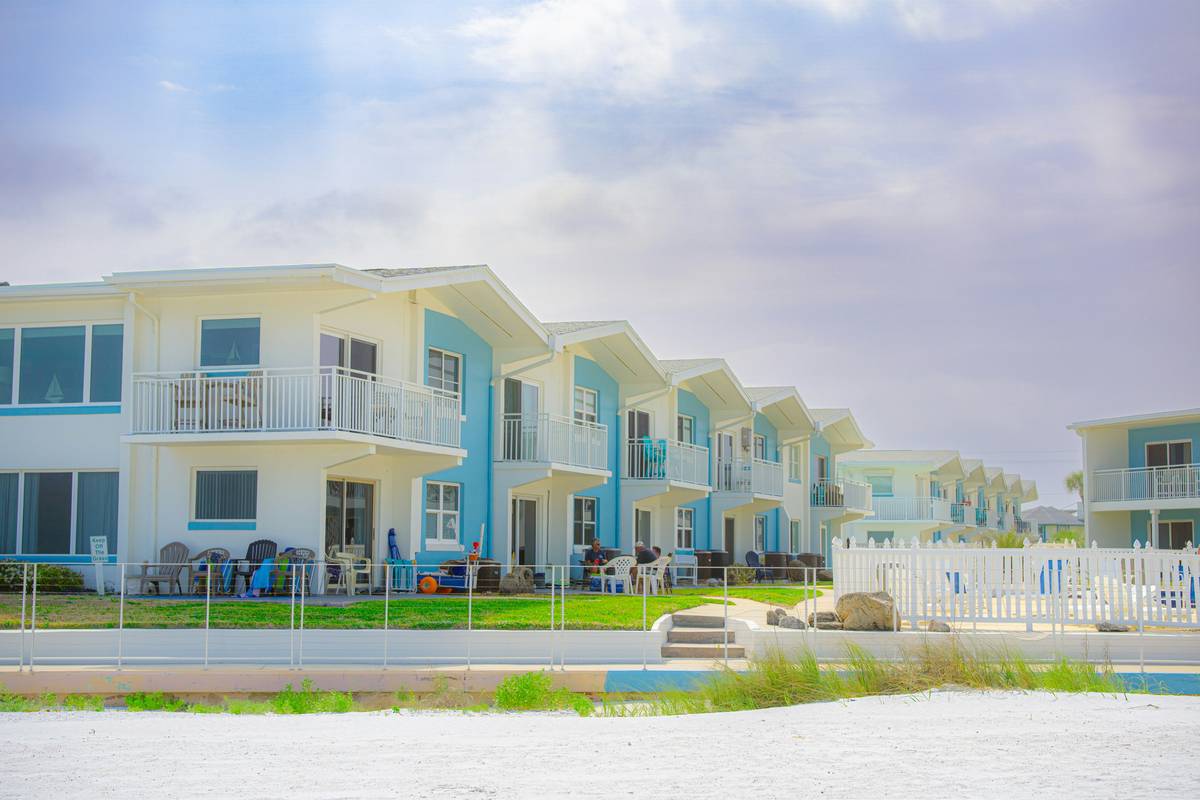
Ever poured your heart, savings, and weekends into a vacation rental—only to watch it sit empty while Airbnb fees eat your profits like free mini-bar snacks? You’re not alone. According to AirDNA’s 2024 State of the Short-Term Rental Report, 37% of new hosts lose money in their first year—not because their property sucks, but because their operation property management is running on fumes (and maybe a shared Google Doc).
If you own or manage short-term rentals, this post is your lifeline. We’ll cut through the fluff and show you exactly how world-class operation property management transforms underperforming units into cash-flow machines—using field-tested systems, real mistakes I’ve made (yes, including that time I forgot to restock toilet paper for three back-to-back bookings… oops), and data-backed best practices.
You’ll learn:
- Why “just listing it on Airbnb” isn’t a strategy—it’s a gamble
- The 5 non-negotiable pillars of scalable operation property formulate
- How a Colorado host 3X’d revenue using dynamic pricing + automated messaging
- What NOT to outsource (spoiler: guest communication shouldn’t be robotic)
Table of Contents
- The Hidden Cost of DIY Vacation Rental Management
- How to Build a Lean Operation Property Management System
- Best Practices for Maximizing Occupancy & Guest Satisfaction
- Real Case Study: How a Tahoe Host Achieved 92% Occupancy
- Operation Property Management FAQ
Key Takeaways
- Operation property management isn’t just cleaning and lockboxes—it’s a full-stack system covering pricing, maintenance, compliance, and guest experience.
- Automating 80% of tasks (like messaging and scheduling) frees up time for high-impact decisions.
- Dynamic pricing tools can boost annual revenue by 20–35% when calibrated correctly (AirDNA, 2023).
- Local regulations are evolving fast—staying compliant avoids fines that can wipe out months of profit.
- Never automate empathy: guests remember how you made them feel, not your response time.
The Hidden Cost of DIY Vacation Rental Management
Let’s be brutally honest: managing your own vacation rental sounds romantic—until 2 a.m. rolls around and a guest texts “The hot tub is leaking INTO the bedroom???” while you’re half-asleep, Googling “emergency plumber near [your city].”
I learned this the hard way with my first cabin in Asheville. I handled bookings, cleaning, repairs, and guest comms myself. For six months, I averaged 62 hours/week on “side hustle” work. Net profit? $89/month after expenses. Not exactly passive income.
The truth? Operation property management is a specialized discipline—not a checklist. It encompasses:
- Revenue management (dynamic pricing, channel optimization)
- Guest experience design (pre-arrival comms, local guides, problem resolution)
- Maintenance coordination (preventive schedules, vendor networks)
- Regulatory compliance (local STR licenses, tax collection)
- Data analytics (occupancy trends, ROI per listing)
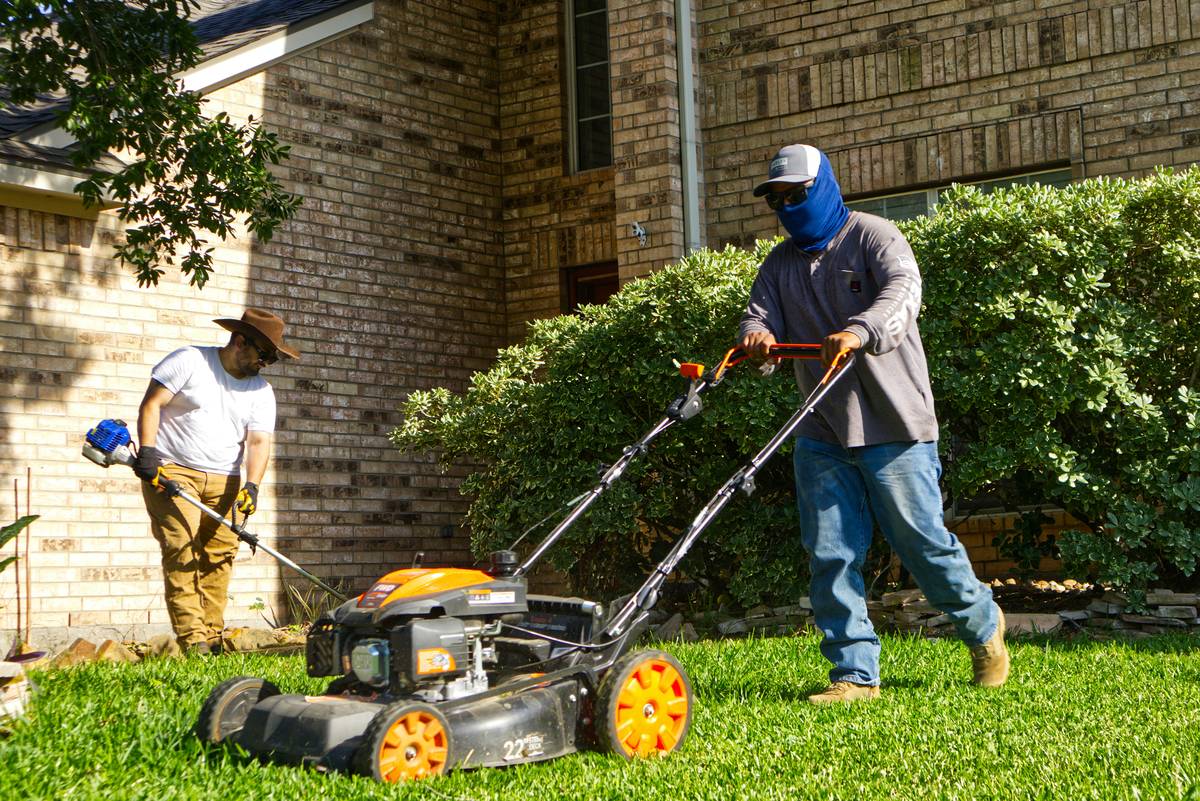
And here’s the kicker: 68% of hosts who scale beyond two properties eventually hire professional managers—or build internal ops teams (ShortTermRentalz Industry Survey, 2023). Why? Because chaos doesn’t scale.
Optimist You: “I’ll just use a property management software!”
Grumpy You: “Ugh, fine—but only if it doesn’t send guests auto-messages saying ‘Welcome to [BLANK]!’ like my last tool did.”
How to Build a Lean Operation Property Management System
You don’t need a $10K/month team to run tight operations. Here’s how to build a lean, effective system—even as a solo operator:
Step 1: Audit Your Current Workflow
List every task from booking to checkout. Time yourself doing each for one week. You’ll likely find 30–40% are repetitive (e.g., sending check-in instructions, invoicing cleaners).
Step 2: Automate the Predictable
Use tools like Guesty, Hostaway, or Hospitable to automate:
- Instant booking confirmations
- Pre-arrival messages (with door codes, WiFi, local tips)
- Post-stay review requests
- Cleaning crew dispatch based on calendar sync
Step 3: Humanize the Unpredictable
Anything requiring judgment—complaints, special requests, damage disputes—should have a human touchpoint. Set rules: “All 1-star reviews get a personal call within 1 hour.”
Step 4: Standardize Maintenance
Create a preventive checklist: HVAC filter change (quarterly), smoke detector test (monthly), mattress rotation (biannually). Partner with 2–3 vetted vendors per service type.
Step 5: Track Local Regulations Religiously
Bookmark your city’s STR ordinance page. Set Google Alerts for “[Your City] short term rental law.” One missed license renewal = $2,500 fine in San Diego.
Best Practices for Maximizing Occupancy & Guest Satisfaction
Forget chasing “luxury.” Today’s guests crave reliability, responsiveness, and local authenticity. Here’s how operation property management delivers both:
- Dynamic Pricing Isn’t Optional: Use PriceLabs or Wheelhouse. They adjust rates based on demand, events, and competitor pricing. Result? 22% higher RevPAR vs. static pricing (AirDNA, 2023).
- Pre-Stay Communication Builds Trust: Send a personalized message 3 days pre-arrival: “Heads up—the hiking trail nearby reopens Friday! P.S. Extra firewood’s on the porch.”
- Standardize Cleanings with Checklists: Require cleaners to upload timestamped photos of completed tasks (fridge wiped, linens changed, etc.). No photo = no payment.
- Monitor Online Reputation Daily: Set up ReviewTrackers. Respond to ALL reviews within 24 hours—even glowing ones. (“So glad you loved the sunrise view!”)
- Budget 10% for Unexpected Repairs: Hot water heaters fail. Keys get lost. Don’t let small issues become 5-star killers.
RANT ZONE: Stop using generic stock photos of “happy families” in your listings! Guests want to see YOUR actual couch, bathroom tile, and view. Authenticity > perfection.
TERRIBLE TIP DISCLAIMER: “Just hire the cheapest cleaner on TaskRabbit!” Nope. Bad cleanings lead to bad reviews, which tank rankings. Invest in consistent quality—it pays for itself.
Real Case Study: How a Tahoe Host Achieved 92% Occupancy
Sarah K., a former corporate project manager, owned two cabins near Lake Tahoe. In 2022, she was drowning in spreadsheets and midnight calls. Occupancy: 68%. Revenue: stagnant.
She rebuilt her operation property management from scratch:
- Implemented Guesty for automated workflows
- Hired a local co-host (paid 20% commission) for on-ground issues
- Used PriceLabs with custom rules for ski season vs. summer
- Created a hyper-local “Tahoe Insider Guide” (PDF sent pre-arrival)
Result in 12 months:
- Occupancy jumped to 92%
- Average daily rate increased 18%
- Review score rose from 4.6 to 4.9 stars
- Sarah’s weekly management time dropped from 25 hrs to 5 hrs

Operation Property Management FAQ
What’s the difference between property management and operation property management?
Traditional property management focuses on long-term leases (tenant screening, rent collection). Operation property management is built for short-term rentals—emphasizing rapid turnover, dynamic pricing, guest experience, and multi-channel distribution.
How much does professional vacation rental management cost?
Most firms charge 20–30% of gross rental income. DIY software starts at $20/month (e.g., Hostfully), but you’ll still handle vendor coordination and guest issues.
Can I manage multiple properties alone?
Technically yes—but efficiency drops sharply after 2–3 units. Use automation heavily, and never compromise on cleaning quality or emergency response.
Are there legal risks to self-managing?
Absolutely. Many cities (e.g., Austin, Santa Barbara) require specific STR permits, tax filings, and safety certifications. Non-compliance can result in fines or forced deactivation.
Conclusion
Operation property management isn’t about working harder—it’s about working smarter with systems that scale. Whether you’re a single-property owner or a portfolio investor, mastering these operational levers turns volatility into predictable profit.
Remember: guests don’t care about your backend workflows—but they absolutely feel the results. A seamless stay, a stocked kitchen, a lightning-fast response to a broken AC? That’s operation property management done right.
Now go forth—and may your occupancy charts only know one direction: up.
Like a Tamagotchi, your vacation rental needs daily care. But unlike a pixelated pet, it can fund your next beach trip.
WiFi password set?
Hot tub tested?
Automation humming...
Profit, sweet profit.